Dear Clients, Colleagues, Associates, Friends and Family,
You may have noticed you didn't hear from me in August. Most years, I spend part of the summers in Europe — partly vacation, partly working remotely while I'm there with family. It's not time off so much as a change of address. This year, between everything going on for me personally (like a fire in the south of France that came 2 miles close to our house, two beloveds who were in the hospital and a few other adventures), and everything going on in the world (I’ll let everyone fill in their own blanks here), I came back slower than usual, and I sat down more than once meaning to write you something but nothing came. I told my team I might just send a short “hello-Fall” note instead and call it a month.
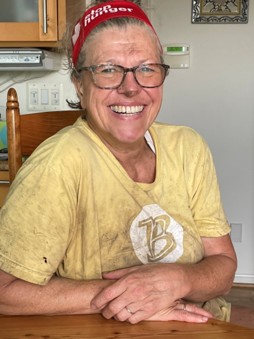
Then, this past weekend, out in my yard fighting seven weeks of overgrowth, an idea arrived the way they often do for me: unexpected and while my hands were busy with something else entirely, which turns out to be exactly the point.
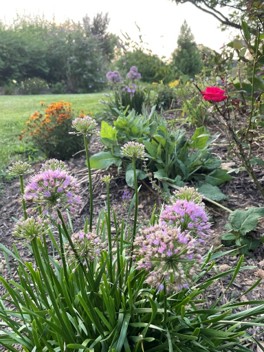
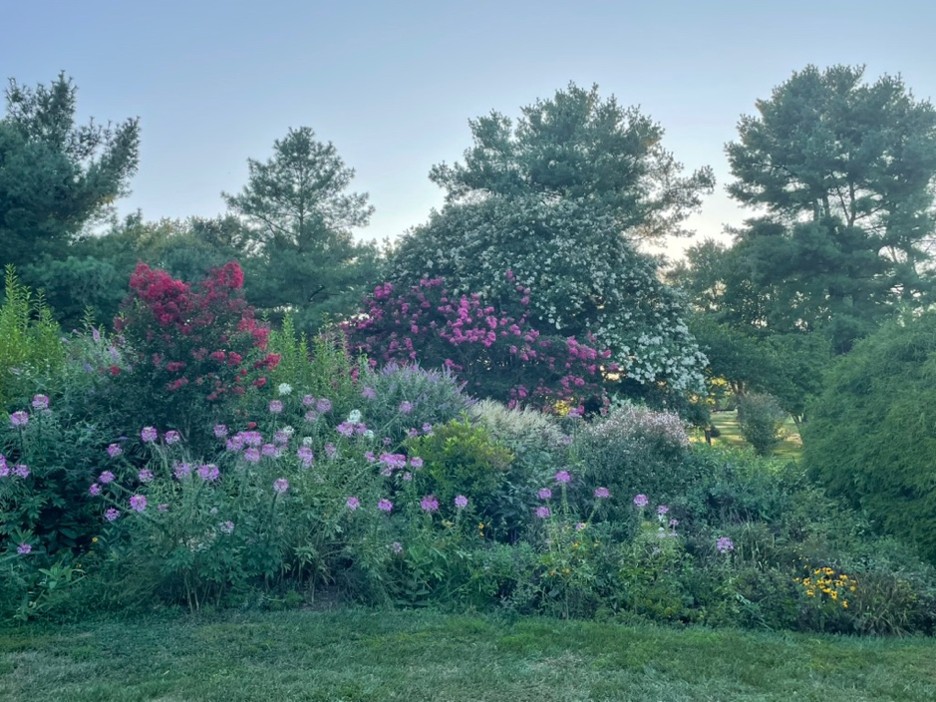
I'd left my flower beds in what I can only call fantastic order. I came back to an actual jungle. Some of it stood two and three feet over what it should have been. You could no longer tell there was a garden under there at all: no garden visible under all that green. Undifferentiated, triumphant chaos.
So this past weekend, in the heat, I spent seven hours straight on my knees pulling it back into some kind of order.
At some point, my mind wandered, the way it always does out there, and I asked myself the question I ask my clients -- so often some of you could recite it back to me. I call it the “deathbed question”, or sometimes the “no-regret” question: picture yourself at a hundred and fifteen years old, still sound of mind, knowing this is it, looking back over your whole life. What do you wish you'd done that you never got around to?
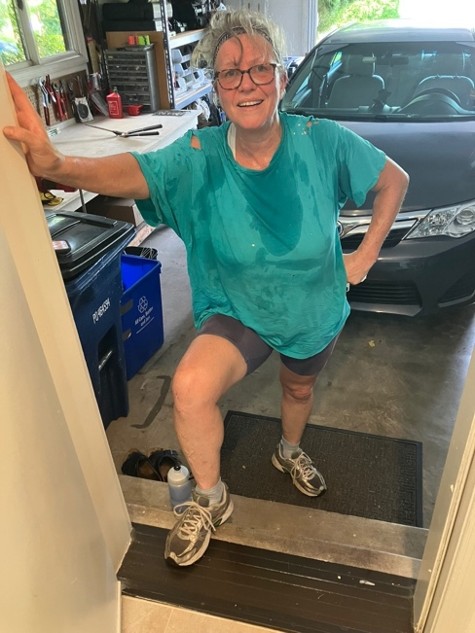
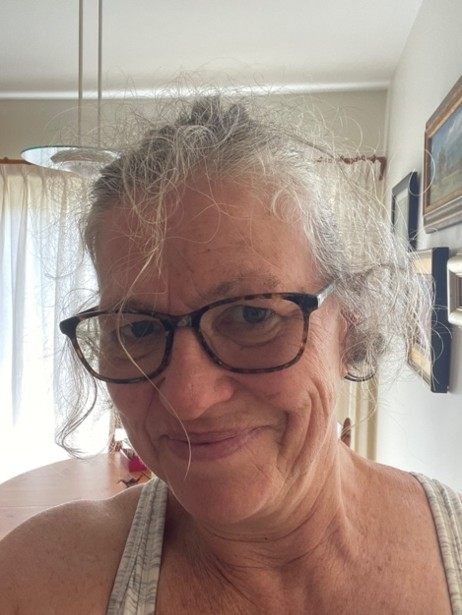
Dirt under every fingernail I own, I turned the question on myself, in a slightly ridiculous direction: will I regret all these hours spent weeding? What an absurd way to spend a Saturday! Some little modern-day Don Quixote out here, tilting at weeds instead of windmills, knowing they'll be back within a month? Knowing the whole project resets itself the moment I look away? Just so a handful of flowers can be more evenly spaced, for an audience of essentially … no one???!!!
No.
I will not regret this.
Not for one second.
I love it beyond reason. It's the one place on earth where time stops mattering to me, where I disappear into what my hands are doing so completely that there's no room left for anything else — no deadline, no grief, no news cycle, no low hum of dread. Just the weed, the root, the occasional worm, the next weed. Nothing else exists. And a small, dark joke I can't resist telling you: I love dirt enough that when I finally go back into the ground myself, at least I'll be returning to my favorite place on the planet.
It wasn't until a few days later, walking in the woods in the rain, half fighting a cold I'd earned by not stopping working for weeks, that the whole thing clicked into place. My world, like most everyone's right now, has been in near-constant overwhelm, and out there in the wet leaves it occurred to me. THIS is the whole answer, and not even a new one:
Go back to basics.
What else is there, when everything outside you is exploding or imploding, except something that can shut it all out for an hour and let your body remember what calm feels like?
There's a word for what happens to me in that garden, and it isn't just "I enjoy gardening." Fifty years ago, a psychologist named Mihaly Csikszentmihalyi — Hungarian, in case you ever need it for a crossword puzzle, not the Russian name I always want to give him credit for — spent his career studying exactly this state and gave it a name that stuck:
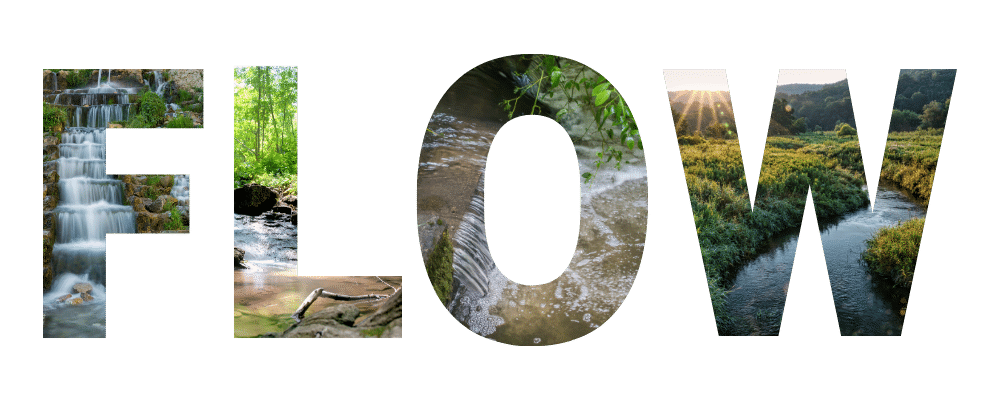
Complete absorption in something hard enough to actually hold your attention, but matched closely enough to your own skill that you're neither bored nor panicked.
Believe me: pulling weeds for 7 hours is harder than it might seem … and my skill at weeding has gotten mighty amazing over the years!!
Csikszentmihalyi found this state showing up in painters, surgeons, chess players, rock climbers, and I'd wager, more than a few gardeners, and he found it everywhere he looked, across cultures, across class lines, entirely independent of what the actual activity happened to be.
It isn't just a pleasant feeling with a flattering name. It has a physiological signature. Researchers measuring cortisol — the stress hormone most of us have heard entirely too much about by now — have found that flow tracks along something like an upside-down U.
Too little activation and you're bored, too much and you're overwhelmed, but somewhere in the middle is where flow lives. More recent research has found that people who experience flow more often show better cardiovascular and mental health outcomes over time. Not proof that gardening adds years to your life. But real, peer-reviewed evidence that the state is doing something to your body, not just your mood.
If you are a bit of a neuroscience geek like me … This made me curious: I went looking for a study tying flow directly to the vagus nerve, the one that runs the calming side of your nervous system, and couldn't find one that draws a clean line. They come out of different corners of psychology — flow from the study of peak performance, the vagus nerve from trauma and the biology of safety. But the physical description of a flow state, lowered stress reactivity, sustained calm, no threat, is exactly what it looks like when that calming branch is doing its job. I'll leave the direct line to the neuroscientists. I trust what happens in my own body enough to keep doing it.
To me, this matters not just as an abstract wellness point, for you and for me both. The world is not offering us much reprieve at the moment. However, you're tracking it — the news, your own feed, conversations with people you love who are frightened — most of us are carrying an underlying level of dread that never fully switches off.
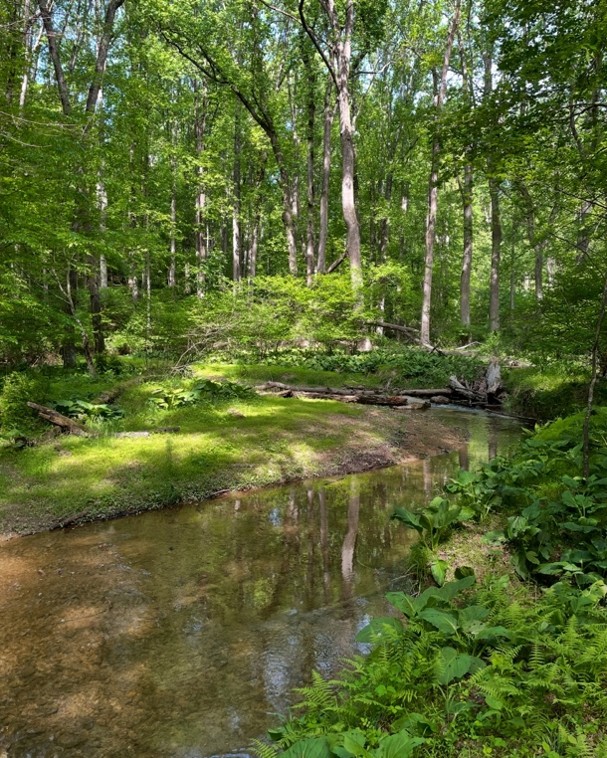
My instinct, and maybe yours too, is to turn the news off entirely and be done with it. But that has never sat right with me, because pretending none of it is happening feels like its own small failure of care. Instead, I choose this: flow isn't avoidance. It isn't looking away and calling it self-care. It's dosing. It's giving your body somewhere to go and lower the volume on the alarm bells for an hour, so that when you come back to the rest of it — and you will have to come back to it sooner or later — you're coming back from a nervous system that's had a chance to settle rather than one that's been running hot for months straight without a single real break.
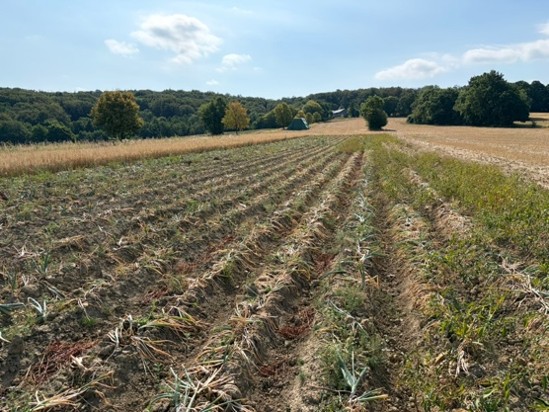
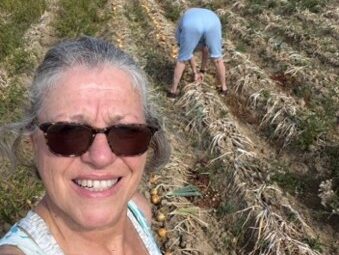
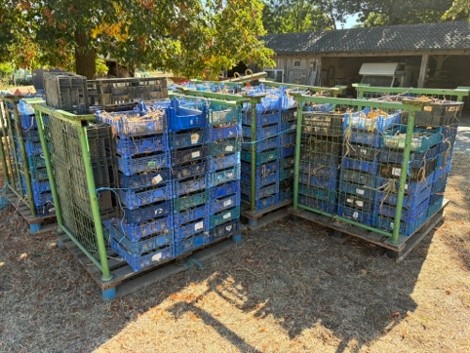
This isn't new territory for me. This summer, at my mother's farm in Germany, I spent a week digging onions. An actual week, hundreds of kilos, sorted case by case until we had a few dozen pallets stacked and ready. I wasn't alone doing it, but I could have disappeared into that work entirely on my own and been just as content. There is something in the rhythm of that kind of labor, steady, repetitive, entirely of the body, that has run underneath my life longer than I've had language to describe it. Long before any newsletter about flow, there was a small child getting filthy in a field somewhere, perfectly content, no audience required.
Question for you:
What is the thing that does this for you?
For some of you it's what you'd expect: running, an instrument, a craft with your hands. For others it might be something you've never dared say out loud because it seemed ridiculous: a jigsaw puzzle, cleaning out a closet, cooking something that takes four hours for no good reason. And if nothing comes to mind, that doesn't mean something's wrong with you. Flow comes more easily to some people than others, wired in more than we'd like to admit. It might only mean you haven't gone looking yet.
This isn't a luxury for whenever life calms down. It's maintenance. It's what lets you come back to whatever you're facing with a body that has somewhere to put its stress besides your shoulders, your sleep, or your patience with the people you love. This week, find your version of my garden, and protect an hour of it on your calendar, the way you'd protect a meeting with someone you couldn't afford to cancel on. Because in a way … you can't and you certainly shouldn’t!
Voltaire ended Candide — a story that puts its hero through nearly every catastrophe the eighteenth century could invent, war, disaster, cruelty, disillusionment on every page — with a single, deceptively small line that has outlived nearly everything else in that book: il faut cultiver notre jardin. We must cultivate our garden. He wasn't only talking about vegetables.
Neither am I.
With courage, and dirt under my nails,
Warmly,